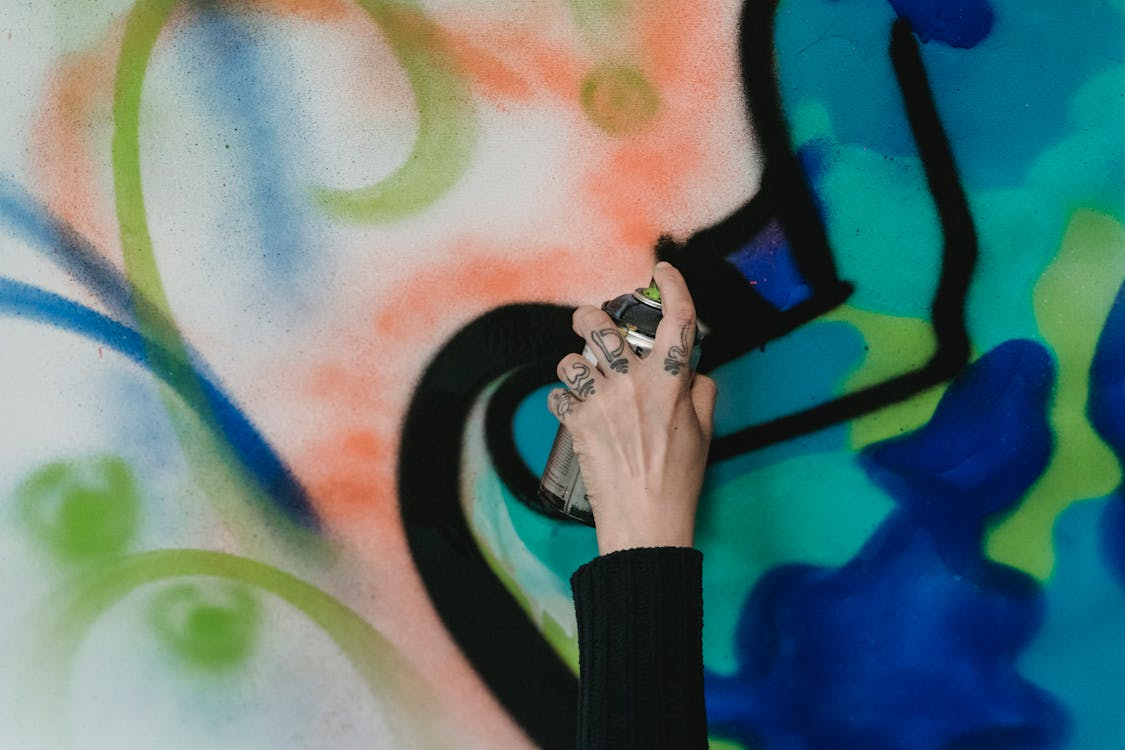
Rio’s street art hit me like a lightning bolt, completely unexpected of what I thought would define the city. I thought I knew this city, but the underground street art scene completely stole my heart.
I stumbled into Rio’s backstreets expecting nothing more than a shortcut to Copacabana. Instead, I found myself standing jaw-dropped in front of the most mind-blowing urban gallery I’ve ever experienced.
This isn’t typical graffiti. It’s massive storytelling murals that capture Brazil’s soul, created by artists who are legends in their own right.
What excites me the most is that this isn’t some tourist attraction. Locals create real neighborhood art for their own community, yet they welcome curious travelers with open arms.
And the stories behind these walls? They’ll give you goosebumps!
I spent three days getting completely lost in Rio’s art districts, and honestly? It was the best mistake I ever made. Now I’m practically begging everyone I know to experience this magic themselves.
Trust me on this one, Rio’s street art scene is about to become your favorite discovery too.
If you’re planning your trip around local events, don’t miss my guide to Festivals and Carnivals in Rio: The Spirit of Celebration


How Street Art in Rio Started
Rio’s transformation into a street art capital didn’t happen overnight. It was a gradual process that began decades ago and slowly built up into the incredible art scene we see today.
The momentum really started in the early 2000s. Brazil was gaining international attention, and cities were working to revitalize their neighborhoods. What set Rio apart was its unique layout.
Think about it: you’ve got these hillside favelas right next to old historic areas and shiny new districts. It’s the ideal mix of surfaces and spaces for artists to share their stories and revive overlooked areas.
Let’s go back for a moment. Street art in Rio took off in the 1980s, starting with graffiti in subway tunnels and train yards. The artists drew direct inspiration from New York’s hip-hop scene.
Pretty cool, right?
Things got really interesting in the 1990s. Brazilian artists stopped just copying what they saw from other countries and started creating their own style. They blended global techniques with local stories about inequality, football, and culture.
Here’s where it gets exciting,
The artist named Tomaz Viana (everyone called him “Toz”), he started a group called Flesh Beck Crew. This was Rio’s first real graffiti group. These artists didn’t just work alone anymore. They supported each other, shared ideas, and helped the whole scene grow stronger.
The biggest game-changer happened around 2009. City officials finally stopped seeing graffiti as just vandalism and started recognizing it as real art.
Suddenly, artists could work on huge projects without looking over their shoulders. This opened the door for the massive murals that put Rio on the world map as a street art destination.
And when the 2016 Olympics came to town?
That’s when Rio’s street art really got to show off to the whole world with incredible large-scale pieces that blew everyone away.

Eduardo Kobra’s “Etnias”
Want to see what Rio’s street art scene is really capable of?
Head over to Porto Maravilha near Gamboa and prepare to have your mind blown by Eduardo Kobra’s “Etnias“ (that’s Portuguese for “Ethnicities”).
You’re walking through the port area and suddenly you’re face-to-face with this absolutely massive wall covered in the most vibrant, colorful faces you’ve ever seen. We’re talking about over 2,500 square meters of pure artistic genius.
That’s bigger than most shopping malls!
Kobra painted five incredible faces on this wall, each one representing different people from around our planet. You’ll see faces inspired by people from Papua New Guinea, Ethiopia, Thailand and Myanmar, Europe, and of course, Brazil.
Each face tells a story about how beautifully diverse our world really is.
Completed just in time for the 2016 Games, it earned a Guinness World Record that August as the largest spray-paint mural by a team at the time. (Kobra would later break that record with a larger work in São Paulo in 2017.)
Can you imagine being part of that project?
But don’t think this is just about showing off with size. Sure, Kobra’s signature bright colors and geometric patterns will grab your attention from blocks away, but there’s something deeper happening here.
These faces represent how wonderfully different we all are while celebrating the unity that events like the Olympics are supposed to bring out in all of us.
The best part? Getting there is super easy now. Just hop on the VLT light rail that connects the port area to downtown Rio.
The mural still looks as stunning as the day it was finished, and it’s become this powerful symbol of how Rio uses street art to share important messages with the world.
The whole Porto Maravilha neighborhood has really embraced this artistic energy too. What used to be just another port district has transformed into a must-visit spot for anyone who wants to experience Rio’s cultural side.
Pretty amazing what one incredible mural can do for an entire area, right?

The Selarón Steps
You’ve probably seen photos of these incredible colorful steps on Instagram, but seeing the Escadaria Selarón in person is something totally different. This isn’t exactly street art in the traditional sense, but it’s such an important part of Rio’s artistic story that we have to talk about it.
In 1990, Chilean artist Jorge Selarón began renovating the worn-down steps outside his house in Lapa. Initially a simple facelift, it soon became an obsession. What started as a simple home improvement project became his life’s work.
Over more than two decades until his death in 2013, he transformed all 215 steps (spanning 125 meters) into a kaleidoscopic work of art.
He collected pieces from visitors who came from all corners of the world, and by the time he passed away, the steps featured tiles from more than 60 different countries.
The coolest thing about visiting today is that you can still spot tiles from your own country if you look carefully enough. The steps connect the Lapa and Santa Teresa neighborhoods, and they’re completely free to visit anytime. Thousands of people climb these steps every day, making them one of Rio’s most beloved landmarks.
What makes this place special is how it shows what can happen when one person’s creative passion touches an entire community. The surrounding Lapa area has embraced this artistic energy, becoming known for its vibrant nightlife and creative atmosphere.

Tomaz Viana “Toz”
Remember when we talked about Tomaz “Toz” Viana earlier? This guy literally started Rio’s first graffiti crew back in the day, and you can still see his amazing work around the city today.
Born in Salvador but now living in Rio, Toz founded the Flesh Beck Crew and basically helped create the foundation for everything that came after. His style is bold, colorful, and impossible to miss.
Toz’s work appears across the city (from Porto Maravilha to the façade of the Hotel Marina) and his art bridges street culture and contemporary galleries. He leads community-focused, collaborative projects like creating an open-air gallery in Leblon.
What’s really cool about Toz is that he’s not just focused on his own art anymore. He’s been working on huge collaborative projects with other artists and helping train the next generation of Brazilian street artists. His influence on Rio’s scene goes way beyond just the murals you can see on walls.
If you want to understand how Rio became such a street art hotspot, learning about Toz’s contributions is essential. He’s still active today, and his signature style has become part of what people think of when they picture Brazilian street art.
Panmela Castro
Here’s an artist who’s using street art to tackle some of Brazil’s biggest social challenges. Panmela Castro, who sometimes goes by the name Anarkia Boladona, creates murals that you can’t ignore.
Born and raised right here in Rio, Castro studied art at local universities before taking her talents to the streets. Her work focuses on women’s rights and fighting domestic violence, topics that desperately need more attention in Brazil.
After a violent personal experience in 2005, she turned to street art to denounce domestic violence, eventually unveiling a celebrated mural titled “Onde há respeito, há paz” in 2014. It was 24 meters high and born from a design contest involving public school students. Panmela also painted a striking large-scale mural titled “The Goddess of Victory” on the walls of the Olympic Boulevard.
In 2008, she launched Grafiteiras pela Lei Maria da Penha, using murals to spread awareness of Brazil’s landmark domestic violence law. In 2010, she founded Rede NAMI, which has since empowered thousands of women (especially black women) through art, education, and activism.
What’s amazing about Castro’s approach is that her art reaches people who might never step foot in a traditional art gallery. Her murals are right there in neighborhoods where her message can have real impact on daily life.

Santa Teresa: The Artist’s Neighborhood
Santa Teresa is the neighborhood where Rio’s art feels most alive, sitting on the hillside with a relaxed, creative vibe. This hilltop neighborhood feels like walking through someone’s creative dreams.
The cobblestone streets are like open-air galleries, covered with colorful murals painted by artists from Rio and around the world.
What makes Santa Teresa special is how the art feels so integrated into daily life. You’ll see new pieces appearing regularly next to works that have been there for years.
The contrast between those old Portuguese colonial buildings and today’s vibrant murals creates this amazing visual conversation between Rio’s past and present.
Walking through Santa Teresa is like experiencing a live art exhibition that changes every time you visit.
The pieces here tend to be smaller than those huge port district murals, but they give you this intimate look at what local artists and communities really care about.
The Port District’s Urban Gallery Revolution
Rio’s port district has gone through a huge makeover in recent years, and street art has been at the center of it.
One of the coolest projects is Passeio Ernesto Nazareth, a public walkway filled with large-scale murals. Opened in 2021, it’s now home to 18 massive pieces spread across more than 11,000 square meters of wall space.
The vision here is big, they’re aiming to make this the largest open-air urban gallery in Latin America.
The murals don’t just look impressive; they speak to real issues. Artists here cover everything from protecting the environment to celebrating Afro-Brazilian identity and community life.
What sets this new wave apart from the Olympic-era works is the focus. Instead of trying to appeal to an international audience, these murals shine a light on local culture and the everyday stories of Brazilians.
Best part? You don’t need a map to explore it. The VLT light rail runs right through the port zone, basically turning your commute into a moving art tour.
Community Art and Social Impact
The Favela Painting project might be the most important street art initiative Rio has ever seen.
Two Dutch artists, Haas and Hahn, started this back in 2006, but they did something totally different from typical street art.
Instead of just showing up and painting whatever they wanted, they worked directly with people living in the Santa Marta favela.
Together, they covered about 7,000 square meters of hillside homes with this incredible colorful design that could be seen from all over the city.
This project was never just about making something that looked cool. It was about changing how people think about favela communities and giving residents something to be proud of while bringing positive international attention to their neighborhood.
The original Santa Marta painting has faded over the years, but its impact is still being felt.
It showed how street art can be a tool for real social change and community empowerment when it’s done in partnership with local people rather than just for them.
Neighborhood Expressions: Laranjeiras and Beyond
Some of Rio’s best street art isn’t in the famous tourist spots at all.
Head into residential areas like Laranjeiras and Cosme Velho, and you’ll find local artists and community groups creating works that speak directly to everyday life.
Artists like Odylo Falcão and groups such as the Laranjeiras Coletivo Arte bring color to building walls, gates, and even utility poles.
These neighborhood expressions often celebrate local history, musical traditions, and community leaders that visitors might never hear about otherwise.
The works here might be smaller than those massive port district murals, but they offer something different, an authentic look at how street art functions as community communication and cultural preservation.
Exploring these residential areas gives you a completely different perspective on Rio’s street art culture.
You’ll see how the movement extends way beyond tourist attractions to become part of how people actually live their daily urban lives.
Many of these works change frequently too, reflecting how street art is this living, constantly evolving form of expression.
Final Tips for Your Urban Art Adventure
1. Wear comfortable shoes and bring water. Many streets are cobblestone and include hills, so stay hydrated and ready for walking!
2. Start early or late afternoon for the best light to enjoy and photograph the murals without crowds.
3. Be respectful of local communities. Some murals have cultural or spiritual importance. When in doubt, ask permission before taking photos.
4. Use taxis or ride-share apps (Uber/ 99), especially for uphill routes like MAR to Santa Teresa if you want to save energy.
5. Take your time and soak it all in. Street art often tells layered stories that reward slow observation.
6. Support local artists and businesses. Buy prints, souvenirs, or a coffee to help keep the creative spirit alive.
7. Stay aware of your surroundings. Rio’s neighborhoods are vibrant but remain cautious as you would in any big city.
Thinking of Staying Longer?
If Rio’s creativity, color, and café culture have you dreaming of more than just a visit, you’re not alone.
Many of the neighborhoods where this vibrant art lives like Santa Teresa, Glória, Lapa, and Centro are also rising stars in real estate.
Living close to this energy means having art, history, and authenticity right outside your door.
Whether you’re looking to rent, invest, or make Rio your forever home, these districts offer charm, culture, and real value.
After all, why just admire the view when you could live inside the painting?
Reach out today for a personalized consultation. Let’s turn your Rio dream into your daily reality.

Hans-Philipp Hauser | Founder of CASER BR
Your Brazilian Real Estate Connection 🇺🇸🇩🇪🇫🇷🇧🇷