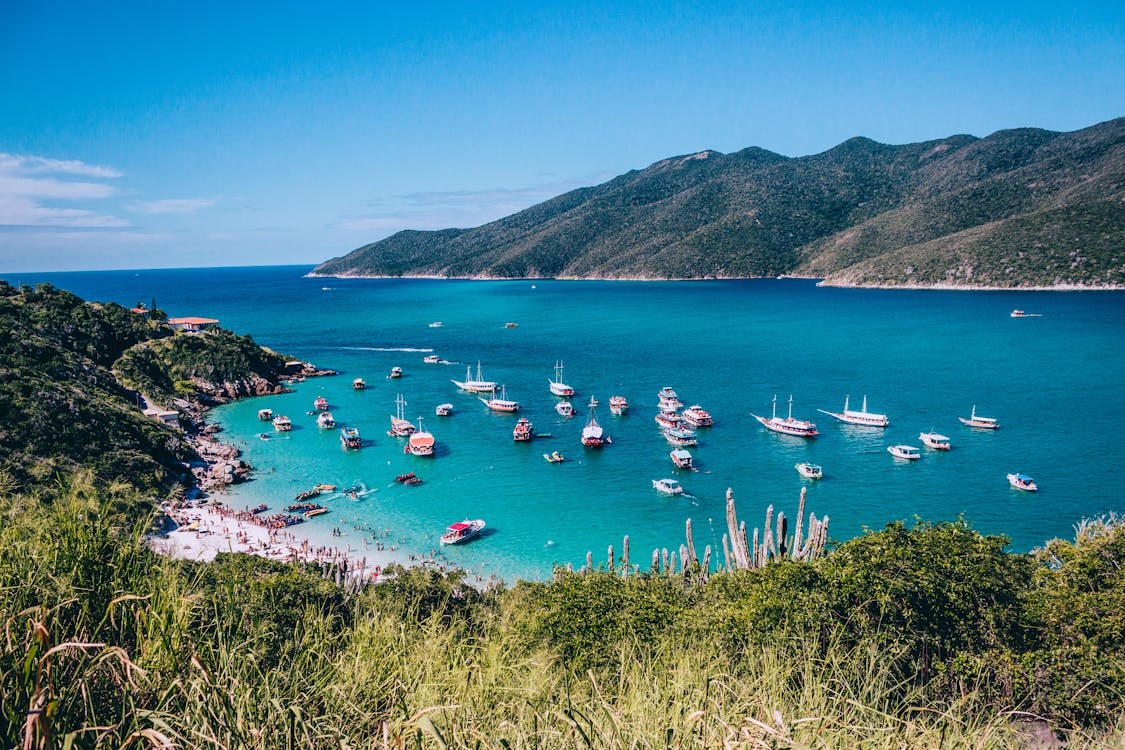
When I first stepped off the plane in Rio, I had no idea that choosing where to live in the best neighborhoods in the South Zone or beyond would completely shape my Brazilian experience. After years of calling this part of the city home and helping dozens of friends navigate their own moves here, I’ve learned it’s less about the perfect place and more about what truly fits you.
Let me walk you through what I’ve discovered about each area, from the practical stuff no one mentions to the cultural nuances that make all the difference.

In a Hurry? Here’s our top 5 Neighborhood Picks
Zona Sul is one of Rio’s most diverse areas. It combines famous beaches, residential communities, and convenient access to shops, schools, and public transport. Here are our top 5 neighborhood picks (in no particular order), plus one hidden gem worth discovering:
- Copacabana – Famous beachfront with tourist buzz
- Ipanema – Upscale beach living and trendy scene
- Botafogo – Young professionals and startup hub
- Leblon – Luxury neighborhood with premium amenities
- Laranjeiras – Traditional family community
- The Hidden Gem
Here’s Everything I Wish Someone Had Told Me
Copacabana
Copacabana is one of the only places in the world where a dense urban grid meets the Atlantic so directly. Walk just two blocks inland, and you’re no longer in a beach town, but in a bustling mini-city of old apartments, barbershops, and bakeries where life moves independently of the waves. The beach may be iconic, but for many residents, it’s simply the edge of their daily commute.
Costs
A decent one-bedroom in Copacabana typically goes for around R$3,000–4,000/month, with smaller or unfurnished units occasionally dipping to R$2,600. (Everyday Market Analysis done by The LatInvestor)
Expect high demand and a premium for ocean-view spots; rent per square meter runs R$40–70 in desirable locations. Residential electricity costs about R$0.91/kWh. With recent inflation and tariff increases, expect bills of R$300–500 monthly in summer.
Reliable internet roughly runs R$100, based on expat reports (Reddit).
But here’s a pro tip I wish I’d known: buildings closer to the beach have more power outages during storms.
Safety
Recent data shows the South Zone experiences higher property crime rates, with notable increases in street robberies, vehicle thefts, and cell phone thefts in 2024. However, Copacabana remains relatively safe during daytime hours. Pickpocketing is common near metro stations, especially Cantagalo.
The beach area maintains good security from 6 AM to 6 PM with lifeguards and regular foot traffic. After 10 PM, it’s advisable to stick to main avenues and remain aware of your surroundings. The area benefits from stronger police presence compared to other parts of the city.
Estilo de vida
The 3 metro stations (Cantagalo, Siqueira Campos, Cardeal Arcoverde) are your lifeline to the rest of the city. Downtown is 25-35 minutes, which sounds reasonable until you experience Rio’s rush hour. The 7-9 AM and 5-7 PM crowds are intense.
For groceries, you’ll fall in love with the daily street markets. Fresh fruit is affordable, and produce is often fresher than in supermarkets. The Zona Sul supermarket chain is pricier but has better international products if you’re missing home foods. Pharmacies are everywhere (seriously, every two blocks), which is great because you’ll need sunscreen. Lots of sunscreen.
The expat scene is huge. It is great in some ways, but not without its downsides. Easy to find English speakers and familiar foods, but also easy to stay in a bubble and never improve your Portuguese.
Top Places to Visit
- Copacabana Fort – A former military post that now houses a museum and offers sweeping views of the shoreline.
- Copacabana Beach – A globally renowned 4-kilometer beach, famous for its lively boardwalk and golden sands.
- Sugarloaf Cable Car – Take the cable car up for stunning panoramic views of the city
For finding the best foodie neighborhood, you can check this out: Live Near the Best Eats: Foodie Neighborhoods in Rio
Está pensando em Copacabana? Our local specialists can arrange housing tours and show you properties that match your budget and lifestyle!
Ipanema
Ipanema offers a refreshing contrast to its busy neighbor, Copacabana. It’s marked by cleaner, grid-aligned streets, chic cafés, and a laid-back ambiance that feels noticeably calmer, especially near the beach. Amenities tend to be more upscale, and you’ll encounter fewer street vendors.
Costs
Living in Ipanema doesn’t come cheap, especially if you’ve got your eye on a beachfront spot. Expect rents to hover around R$40–70 per m²/month (TheLatinvestor). A typical one-bedroom goes for about R$2,000–3,000/month, but if you want a sleek, fully furnished place with all the extras, it can easily pass R$6,000 (Expat.com).
Safety
Compared to most of Rio, Ipanema is on the safer side, with crime rates sitting roughly 30% lower than the city average. Both locals and expats say they feel fine walking around (day or night) as long as it’s a well-lit, busy area. Still, like anywhere, you’ll want to stay alert for pickpockets.
Estilo de vida
The beach is split into postos (lifeguard stations), and each one has its own personality. Posto 9 is the go-to for the young and artsy crowd, while Posto 10 feels more laid-back and family-friendly thanks to its closeness to Leblon. Depending on where you plant your umbrella, you’ll find surfers, sunbathers, street vendors, or even DJs spinning at sunset.
Dining & Essentials
Food here leans pricey. Lunches can run R$35–60, while dinner at a good spot may set you back R$200+. If you’re into fresh and local, the organic market near Praça General Osório is a favorite for fruits, veggies, and artisanal treats.
Healthcare
Ipanema is one of the better places in Rio if you need English-speaking doctors, which is a big plus for expats. Pricing for consultations wasn’t easy to pin down, but expect it to be higher than the city average.
Top Places to Visit
- Arpoador Beach – The best spot in town to catch the sunset with a Dois Irmãos backdrop.
- Ipanema Beach – World-famous and trendsetting, made iconic by The Girl from Ipanema.
- Feira Hippie (Hippie Fair) – A must-do on Sundays: crafts, art, and live music in the open air.
Botafogo
Botafogo feels like Rio caught off guard. It’s where glass office buildings sit beside crumbling colonial homes, and trendy cafés share walls with quiet family diners. You get the sense the neighborhood is in constant transition, not trying to reinvent itself, just unfolding layer by layer. It’s not the Rio you come looking for, but often the one you end up staying in.
Costs
Rent ranges R$2,000-4,200 (with prices varying by apartment size and amenities), which feels like a bargain after Ipanema prices. What you’re trading beach proximity for is urban energy and authenticity.
The single metro station (Botafogo) connects everywhere you need to go, and the bus system here is actually reliable. Downtown is just 15-25 minutes, making it perfect for people working in Centro.
Safety
Botafogo has experienced notable increases in street robberies and property crimes in 2024, according to Public Security Institute data. The area maintains reasonable safety during daytime hours with good lighting and regular foot traffic in commercial areas.
Evening safety requires increased caution, especially in quieter residential streets. Main avenues remain busy and feel more secure, but side streets can be less predictable after dark. The neighborhood benefits from community presence but lacks the heavy police presence of beachfront areas.
Estilo de vida
This is where Rio’s startup energy lives. I worked from three different co-working spaces here. The WiFi across the neighborhood is excellent (100+ Mbps is standard), and there are enough cafés with good internet that you can work from anywhere.
The networking events happen naturally, you’ll meet other entrepreneurs at the craft beer bars with Sugarloaf views. It’s not forced networking; it’s just Tuesday night.
Botafogo has the best food-to-price ratio in the South Zone. Street food is authentic and cheap (R$8-15 for lunch), while still having trendy restaurants for date nights. The mix keeps life interesting and your budget happier.
Shopping is practical. Botafogo Praia Shopping has everything you need without being overwhelming, and Rio Sul is close enough for bigger shopping trips.
Want to know more about Rio’s Co-working space? Check out our blog: Best Co-working Spaces in Rio de Janeiro for Digital Nomads
Top Places to Visit
- Praia Vermelha – Small, protected beach perfect for swimming and snorkeling
- Sugarloaf Mountain – Iconic peak with cable car access and 360-degree city views
- Casa Rui Barbosa – Beautiful historic house and cultural center with gardens
Laranjeiras
Laranjeiras is one of Rio’s oldest neighborhoods, known for its leafy streets, historic homes, and calm, residential feel. Tucked between hills, it offers a quieter, more traditional side of the city, with a strong sense of community and everyday life that unfolds away from the tourist crowds.
Costs
Rent is refreshingly reasonable at R$1,800-3,800, and that money goes further – larger apartments, quieter streets, and actual community feel. The metro access isn’t direct, but Largo do Machado is walkable, and buses run frequently.
Utilities run standard rates, and the neighborhood’s location means you’re not paying beach premiums for basic services like groceries and dining out.
Safety
Laranjeiras has that community-watch feeling that actually works. Kids play in Parque Guinle without parents hovering constantly. The safety rating here is genuinely good (7/10 in my experience), largely because neighbors look out for each other.
The residential nature means less street crime compared to tourist-heavy areas, though standard urban precautions still apply.
Estilo de vida
This is where you learn Portuguese fastest because English isn’t common. Local bakeries, traditional botecos (bars), and neighbors who invite you to family barbecues. If you want authentic Brazilian life, this is it.
The trade-off is nightlife, this isn’t party central. It’s early dinners, weekend family gatherings, and quiet evenings. For some people, that’s exactly what they’re seeking.
Top Places to Visit
- Parque Guinle – Beautiful historic park with peacocks, gardens, and recreational areas
- Palácio Guanabara – Governor’s residence with impressive architecture and occasional tours
- Igreja Nossa Senhora da Glória do Outeiro – Historic octagonal church with panoramic city views
Leblon
Leblon is Rio’s most upscale neighborhood, where beachfront luxury meets a laid-back, residential vibe. It’s quieter than Ipanema but just as stylish, with boutique shops, gourmet restaurants, and a refined energy that feels both exclusive and effortlessly relaxed. It’s where the city slows down without ever stepping out of step.
Costs
We’re talking R$4,500-15,000 monthly rent, and that’s just the starting point. Everything costs more here; your morning coffee, your dry cleaning, your gym membership. But the quality and service level match the prices.
No metro access means relying on premium buses, taxis, or Uber. For wealthy residents, this isn’t a problem. For everyone else, it’s a budget consideration that adds up quickly.
Safety
Leblon boasts Rio’s highest safety ratings among beach neighborhoods. Private security, well-lit streets, and an affluent population create a secure environment. Police presence is strong, and the community watches out for each other. Walking alone at night feels comfortable here compared to other areas.
Estilo de vida
Private security, concierge services, and neighbors who don’t throw loud parties. The beach is less crowded, restaurants are Michelin-level, and your building probably has amenities that feel like a resort.
International schools are walking distance, English-speaking services are standard, and the expat community is established and professional.
The shopping and dining scene caters to sophisticated tastes. Expect world-class restaurants, boutique shopping, and cultural events that attract Rio’s elite.
Top Places to Visit
- Leblon Beach – Upscale beach section with excellent restaurants and bars nearby
- Mirante do Leblon – Scenic viewpoint offering spectacular views of the beaches and mountains
- Shopping Leblon – High-end mall with international brands and gourmet food court

The Real Talk on Daily Life Costs
Let me break down what actually living here costs, based on current 2025 prices:
A decent one-bedroom in a safe area runs R$2,400-4,000. Utilities shocked me initially – electricity averages R$300-500 during summer (AC is non-negotiable), water is usually included, and fiber internet is R$100-150 monthly.
Groceries depend entirely on your habits. Shopping local markets and cooking Brazilian foods costs R$600-800 monthly for one person. Missing home and buying imported everything at Zona Sul easily runs R$1,200+.
Transportation is affordable if you use public transit – R$4.30 per metro ride, R$4.05 for buses. But summer heat and crowded conditions mean many expats end up using Uber more than planned. Budget R$300-600 monthly realistically.
Eating out ranges wildly. Street food lunch costs R$15-25. Mid-range restaurant dinner for two runs R$120-200. Fine dining experiences (and Rio has incredible restaurants) start around R$300 for two people.

The Hidden Gem
Flamengo feels like the city’s best-kept secret hiding in plain sight. It’s central, connected, and framed by the massive Flamengo Park, one of the largest green spaces in Rio. Here, joggers share space with dog walkers and kids on bikes, all with Sugarloaf Mountain in the background. It’s a neighborhood that quietly balances city life with open air, offering more breathing room than most expect this close to downtown.
Costs
Rent here runs R$2,800-3,800 for a one-bedroom, which puts it right between affordable Laranjeiras and pricier Botafogo. But here’s what you get that nowhere else offers: the Aterro do Flamengo, Brazil’s largest urban public park, literally at your doorstep.
The Art Deco buildings from the 1940s and 50s offer character and affordability. A two-bedroom apartment with parking runs about R$2,900 monthly, and you’re getting space that would cost double in Ipanema.
Safety
Flamengo has also seen increases in property crimes as part of the broader South Zone trend, with street robberies and thefts rising in 2024. However, the predominantly middle-class family atmosphere creates natural community safety networks.
The large Aterro park has regular security patrols, and the residential nature means neighbors tend to know each other. Daytime safety is good, and evening walks in the well-lit park areas feel relatively secure with adequate lighting and foot traffic.
Estilo de vida
I’m talking about 1.2 million square meters of green space designed by the same landscape architect who created Central Park. Jogging paths, bike lanes, outdoor gyms, football fields, and weekend concerts – all free, all the time. My morning runs here spoiled me for every other city.
The metro doesn’t run directly through Flamengo, but you’re walking distance to three stations – Largo do Machado, Catete, and Glória. Downtown is 10-15 minutes, making it perfect for people working in Centro but wanting to live somewhere with actual green space.
Mornings start with exercise in the park – and I mean world-class facilities for free. The sunset views over Guanabara Bay are better than anything you’ll get from a fancy rooftop bar.
Top Places to Visit
- Aterro do Flamengo – Massive urban park with jogging tracks, outdoor gyms, and bay views
- Modern Art Museum (MAM) – Premier contemporary art museum with rotating exhibitions
- Flamengo Beach – Less crowded beach with calm waters, perfect for families
Healthcare
The public system is free for legal residents, but most expats I know get private insurance (R$250-600 monthly). It’s worth it for English-speaking doctors and shorter wait times.
Hospital Copa Star (Copacabana) and Hospital Samaritano (Botafogo) both offer outstanding healthcare in English. Expect to pay R$200-350 for specialist consultations, but the quality rivals anywhere in the world.
Pharmacies are everywhere and well-stocked. Prescription medications are often cheaper than the US, and many over-the-counter drugs are available without prescriptions.
Culture Shock: The Good, Bad, and Unexpected
Portuguese is essential. Yes, you can survive with English in tourist areas, but real life requires Portuguese. The good news is that Cariocas are patient teachers if you make the effort.
Social customs took adjustment. Cheek kisses for greetings, showing up 30+ minutes late to parties (but on time for business), and a much more relaxed approach to planning. Fighting it is exhausting; embracing it is liberating.
The beach culture is its own world. Each beach section has unwritten rules, vendor relationships matter, and tipping the umbrella guy R$10 gets you VIP treatment all season.
Carnival transforms the entire city. It’s not just the parade – neighborhood street parties (blocos) happen everywhere, the city essentially shuts down for five days, and prices spike 30% during peak season.
Work and Internet: Surprisingly Good
The South Zone has solid internet infrastructure, with speeds often above 200 Mbps, stable video calls, and only occasional outages. Most buildings have backup generators, so even power outages don’t kill your connection immediately.
The co-working scene is growing, especially in Botafogo and Ipanema. Prices range R$300-800 monthly for hot desks. Coffee shops with reliable WiFi are everywhere, and the beach office lifestyle is real if that’s your thing.
Banking for foreigners involves bureaucracy, but it’s manageable. International transfers are possible but expensive and slow. Many expats keep foreign accounts and use Wise cards for daily expenses.
Moving Logistics
Furnished apartments are common for 6-12 month leases, but long-term residents usually prefer unfurnished for better value and personal comfort. Brazilian furniture stores like Tok&Stok and Etna have decent quality at reasonable prices.
Setting up utilities requires a CPF (Brazilian tax ID), which you need anyway. Electricity through Light takes 3-5 days to connect, internet installation is surprisingly quick (same week usually), and gas is typically delivered weekly by truck.
Most buildings have doormen who receive packages, which is crucial because mail delivery to apartments is unreliable. International shipping is expensive – DHL and FedEx work but cost significantly more than domestic options.
The Seasonal Reality
December through February is peak summer (expensive, crowded, and hot). March through May offers ideal weather with fewer tourists. June through August is winter (60-75°F) with occasional rain, but pleasant and quiet. Spring, (September to November), means pleasant days and budget-friendly rates.
Carnival in February/March completely changes the city rhythm. If you’re not into it, plan to travel. If you are, book accommodations early and budget for premium prices.
Rio South Zone Complete Living Costs Overview (2025 Prices)
Based on current market data and cost of living research, here’s what you can realistically expect as monthly expenses when living in Rio’s South Zone:
Housing & Utilities
| Item | Range (R$) | USD Equivalent | Notes |
|---|---|---|---|
| 1BR Apartment Rent | R$2,000 – 4,500 | $360 – 810 | Location premium applies |
| 2-3BR Apartment Rent | R$4,000 – 8,000+ | $720 – 1,440+ | Beachfront costs 40% more |
| Electricity (Summer) | R$300 – 500 | $55 – 90 | AC usage drives costs up |
| Internet (High-speed) | R$100 – 150 | $18 – 27 | Fiber optic widely available |
| Water/Building Fees | R$150 – 300 | $27 – 55 | Often included in condo fees |
Daily Living Expenses
| Category | Budget Range (R$) | Mid-range (R$) | Premium (R$) | USD Mid-range |
|---|---|---|---|---|
| Groceries (1 person) | R$600 – 800 | R$1,000 | R$1,200+ | $180 |
| Dining Out (per meal) | R$15 – 35 | R$50 | R$80+ | $9 |
| Transportation | R$130 – 200 | R$350 | R$600+ | $63 |
| Healthcare Insurance | R$250 – 400 | R$450 | R$600+ | $81 |
| Gym Membership | R$80 – 120 | R$150 | R$250+ | $27 |
| Cell Phone Plan | R$50 – 80 | R$100 | R$150+ | $18 |
Neighborhood Premium Factors
| Neighborhood | Rent Premium | Daily Costs | Transport Access |
|---|---|---|---|
| Leblon | Highest (+50–80%) | Premium prices | Bus/Taxi only |
| Ipanema | High (+30–50%) | Above average | Metro access |
| Copacabana | Moderate (+10–20%) | Tourist pricing | 3 Metro stations |
| Botafogo | Standard | Best value | 1 Metro station |
| Flamengo | Standard | Local pricing | Multiple stations |
| Laranjeiras | Budget (–10–20%) | Local pricing | Bus/walkable Metro |
Total Monthly Budget Estimates
- Budget Living: R$3,500-4,500 ($630-810)
- Comfortable Living: R$5,500-7,000 ($990-1,260)
- Premium Living: R$8,000-12,000+ ($1,440-2,160+)
Exchange rates based on USD:BRL = 1:5.55 (August 2025)
Note: These figures are based on current market data from Numbeo, TheLatinvestor, and Expatistan. Costs vary significantly based on lifestyle choices, neighborhood selection, and seasonal factors.
Want personalized guidance?
We help you compare neighborhoods, calculate real costs, and make confident real estate decisions tailored to your goals and budget.
Book with us for a personalized consultation today.
All cost estimates are based on August 2025 exchange rates and market conditions. Individual experiences may vary based on lifestyle choices and specific location preferences.
Source:
Real Estate, Cost of Living, Safety & Market Data [Rio de Janeiro]
- TheLatinvestor – Rio Property Market Reports (June 2025)
Rental and real estate pricing trends. - Numbeo – Cost of Living in Rio (August 2025)
Crowd-sourced prices on food, rent, transport, etc. - Expatistan – Rio Cost of Living Comparison (2025)
Side-by-side international cost comparisons. - GlobalPetrolPrices – Brazil Electricity Rates (Dec 2024)
Up-to-date electricity pricing. - Wise – Cost of Living in Brazil (April 2025)
Expat-focused cost breakdowns. - ISP-RJ – Crime Statistics in Rio (2024)
Official crime and safety data from the state. - Expatriate Consultancy – Rio Safety for Tourists (2025)
Travel safety advice and neighborhood insights. - ANEEL – Brazil Utility Pricing (Gov Portal)
Official government electricity and utility rates. - RioCard – Public Transport Fares in Rio (2025)
Bus, metro, and train fare information.

Hans-Philipp Hauser | Founder of CASER BR
Sua conexão imobiliária brasileira 🇺🇸🇩🇪🇫🇷🇧🇷