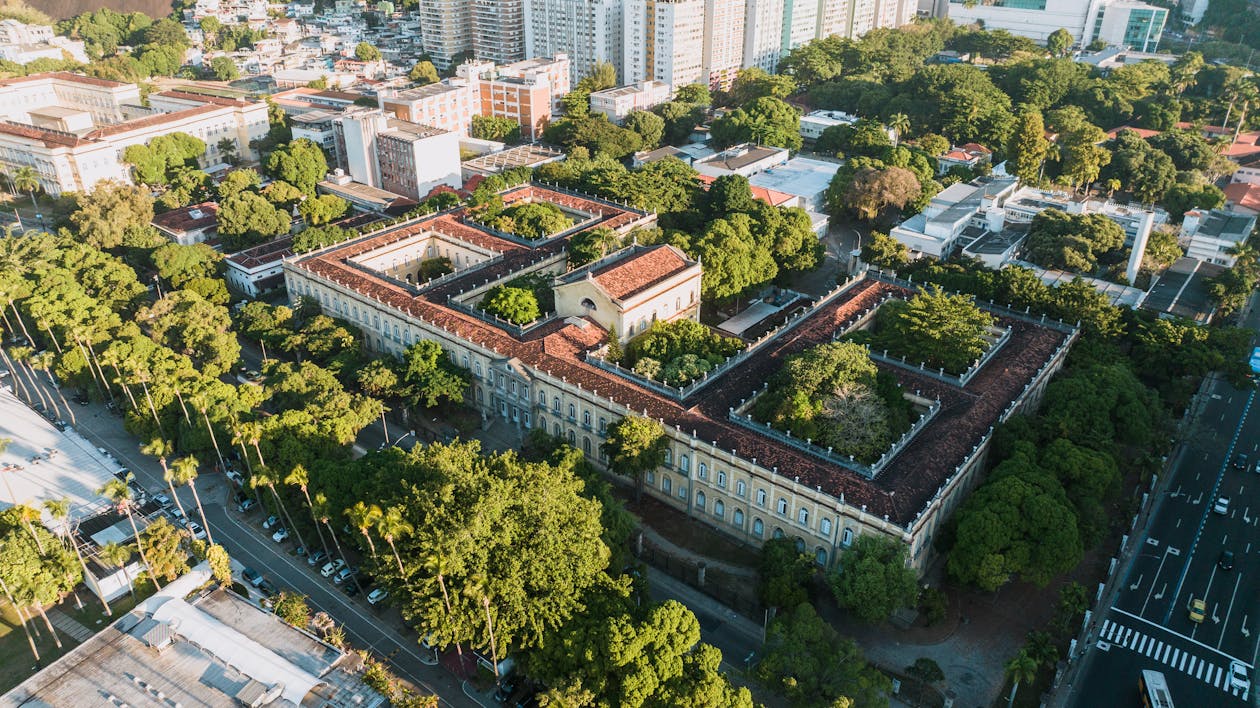
Looking for the perfect place to live while studying in Rio de Janeiro?
You’ve come to the right spot.
Your neighborhood choice matters more than you think. It affects your rent, your commute, your daily mood, and whether you can stroll to campus in flip-flops or juggle multiple bus routes.
Rio’s districts each have distinct personalities. Some buzz with beach energy and late-night action. Others offer a quiet and peaceful street.
The smart move? Match your study style with the right local scene. Night owls thrive in Copacabana’s 24/7 rhythm, while early birds love Gávea’s peaceful mornings. Budget-conscious students gravitate toward Tijuca, while those craving quick campus access pick Maracanã.
Here’s your guide to Rio’s top student neighborhoods, covering location, budget, transport, and overall vibe.
Let’s dive in!
Popular Student Areas


Botafogo
Why Students Love It: Affordable apartments, quick bus + metro access, close to the beach, and multiple campuses.
Botafogo buzzes with energy and has become Rio’s student central. Cafés line the streets, and half the people inside are typing away on laptops—just like you will be.
The main action happens along Rua São Clemente e Rua Voluntários da Pátria.
- Rua São Clemente connects directly to Botafogo’s metro station and runs toward Urca. It’s lined with student-friendly cafés, restaurants, and essential services. Think quick lunches, Wi-Fi spots, and easy hangouts between classes.
- Rua Voluntários da Pátria serves as the neighborhood’s commercial backbone. With the metro underneath, you’ll also find banks, pharmacies, supermarkets, and plenty of dining options.
Between these two streets is where student life really comes alive. The smaller side streets are filled with bars, restaurants, and relaxed spaces. It is perfect for socializing after classes.
Apartments here remain affordable, transport is smooth with both buses and metro, and beaches plus multiple campuses are close by.
Botafogo is ideal if you’re studying at UFRJ, PUC-Rio, UCAM, or Estácio Centro. (Just note: PUC-Rio is in Gávea, not Botafogo, so you’ll need a short commute.)

Tijuca
Why Students Love It: Rent’s affordable, the metro runs smoothly, and everything you need (malls, snacks, Wi-Fi) is close at hand.
Tijuca gives you an authentic, low-key residential vibe. Old-school bakeries, kind neighbors, and a strong community vibe make you feel right at home.
The neighborhood’s rhythm centers around Rua Conde de Bonfim e Rua Haddock Lobo:
- Rua Conde de Bonfim runs through Tijuca’s core. It connects directly to the Saens Peña metro station and becomes your go-to street for daily essentials. It’s lined with local businesses and leads straight to Praça Saens Peña, Tijuca’s bustling commercial hub.
- Rua Haddock Lobo is one of Tijuca’s longest and most recognizable streets. It offers excellent connectivity within Tijuca and links you to other parts of Rio.
At the heart of it all is Praça Saens Peña. This lively plaza pulses with street shops, traditional eateries, and sits right next to Shopping Tijuca. It is perfect for modern conveniences or air-conditioned study breaks. The square is also anchored by a metro station (opened in 1982), making it your main navigation point. You can walk home with groceries or hop on the metro for an easy campus commute.
Why students choose Tijuca:
- Affordable rent
- Excellent metro access
- A balance of tradition and convenience (bakeries + shopping mall)
- Strong community vibe
Tijuca is a great choice if you’re studying at IBMR’s Tijuca campus. Just note: UERJ’s main campus is technically near Maracanã, accessible via a quick metro transfer at Estácio station. And while Estácio University has multiple campuses across Rio, there isn’t a specific “Estácio Tijuca” campus.


Flamengo
Why Students Love It: Clean, quiet, metro-friendly, and a sweet shortcut between downtown and the South Zone.
Flamengo strikes that sweet balance between peaceful and central. The massive Aterro do Flamengo park gives you space for outdoor study sessions, and those bay views provide perfect study breaks. Praia do Flamengo e Rua Senador Vergueiro anchor the neighborhood.
Nestled in the sprawling Aterro do Flamengo, Praia do Flamengo is part of a 1960s urban project that redefined Rio’s shoreline. This isn’t just a beach, it’s an entire recreational complex housing the Museum of Modern Art and Marina da Glória. It is perfect for combining study breaks with cultural experiences.
The waterfront location offers unobstructed Guanabara Bay views that make cramming for exams slightly more bearable.
Rua Senador Vergueiro functions as one of Flamengo’s primary thoroughfares, connecting the Aterro area with neighboring Laranjeiras and Catete. While it experiences heavier traffic than other local streets, this main artery provides easy access to essential services and connects seamlessly to the metro system. The street serves as your gateway between the peaceful residential areas and the bustling transport hubs.
The neighborhood benefits from excellent metro connectivity with two stations, Flamengo and Largo do Machado. This places you right between Rio’s central business district to the north and the iconic beaches of Copacabana and Ipanema to the south. This strategic location makes commuting to multiple university campuses incredibly straightforward.
Students choose Flamengo because it stays clean and quiet while keeping metro access super convenient. Plus, it creates an ideal shortcut between downtown and the South Zone. Perfectly convenient for UFRJ, PUC-Rio, and UCAM students.

Copacabana
Why Students Love It: 24/7 buses, every kind of rental, late-night food, and beach study breaks.
In Copacabana, you get that unmistakable oceanfront vibe without overspending as a student. The area is buzzing day and night, providing nonstop energy. The central hubs are:
Avenida Nossa Senhora de Copacabana is Copacabana’s busiest street for shops and services, running between the beachfront and Rua Barata Ribeiro. Early morning padarias (bakeries) transition seamlessly into late-night convenience stores and 24-hour pharmacies. The constant stream of businesses means you can grab study supplies, quick meals, or emergency caffeine at practically any hour. This makes those unpredictable student schedules much more manageable.
Rua Barata Ribeiro, this street houses one of the neighborhood’s three metro station entrances (Cardeal Arcoverde), making it a natural hub for students. The area concentrates budget-friendly restaurants, self-service eateries, and those essential late-night food spots. These become lifesavers during exam periods.
Transportation flows exceptionally well here for students. Numerous bus routes crisscross the neighborhood connecting to universities citywide. Meanwhile, three metro stations (Siqueira Campos, Cardeal Arcoverde, and Cantagalo) ensure you’re never more than a few blocks from rapid transit. The extensive bus network operates around the clock. This means those late library sessions don’t strand you without a ride home.
You’ll love the 24/7 bus service, every type of rental option you can imagine, and late-night food whenever hunger strikes. Plus, those beach study breaks are unbeatable. Students at UCAM, PUC-Rio, and UFRJ find that the bus connections work great.


Maracanã
Why Students Love It: Walk to class? Yes. Cheap eats? Yes. Well-connected? Triple yes.
Living in Maracanã means waking up to stadium views while having serious study spaces at your fingertips. Avenida Maracanã e Rua São Francisco Xavier keep you connected to everything.
Avenida Maracanã stretches along the famous football stadium’s perimeter, forming the area’s primary street that links directly to both metro and railway stations sharing the stadium’s name. This major avenue becomes your fastest pathway from apartment buildings to transport connections, streamlining trips across Rio whether you’re heading to internships, other campuses, or weekend adventures.
Rua São Francisco Xavier hosts UERJ’s sprawling campus at address 524, strategically located steps from the legendary stadium and bordering the neighborhood’s key transit stations. The street pulses with academic life as students move between residence halls, lecture theaters, and university facilities throughout the day. UERJ’s dining infrastructure centers here too, featuring an expanded restaurant system with a renovated cafeteria in the Cultural Center accessed from ground level, plus the primary student dining hall serving nearly 500 students across multiple floors.
Transit connectivity makes Maracanã exceptional for students. The university campus borders metro and train stations on Line 2, all carrying the stadium’s famous name, creating seamless connections to Rio’s employment centers and cultural districts. This transport network eliminates the usual student struggle with long commutes and unreliable schedules that plague other neighborhoods.
The best part? You can walk to class, grab cheap meals anywhere, and stay well-connected to the rest of the city. UERJ e IBMR students particularly love this setup.

Gávea
Why Students Love It: Close to PUC-Rio, low-key secure, and very focus-friendly.
Gávea offers quiet, leafy streets perfect for students who want birdsong with their morning coffee. Rua Marquês de São Vicente e Rua das Acácias create the neighborhood’s main corridors.
Rua Marquês de São Vicente functions as Gávea’s academic spine, housing PUC-Rio’s main campus at number 225 in the South Zone of Rio de Janeiro. This street provides the primary pedestrian entrance to the university while offering direct access to the extensive campus facilities. The campus itself spans approximately 82,000 square meters within the Tijuca Forest area, creating a naturally quiet study environment surrounded by greenery rather than urban noise.
Rua das Acácias represents Gávea’s residential character, featuring modern housing developments with comprehensive security systems including 24-hour doormen, real-time monitoring cameras, and controlled access technology. These security features create a peaceful, safe atmosphere that makes Gávea particularly attractive to students seeking focused study environments. The street offers easy access to local services and entertainment while maintaining the neighborhood’s characteristic tranquil atmosphere.
The transportation setup works well for PUC students since most international student housing gets placed within 30-40 minutes of campus by city bus, with many families living even closer to the university. This proximity means less time commuting and more time for academic focus, while the secure residential environment provides the calm needed for serious studying.
Students pick Gávea because it sits close to PUC-Rio, maintains a secure, low-key atmosphere, and creates an incredibly focus-friendly environment. PUC-Rio students especially appreciate the proximity.

.jpg)
Centro
Why Students Love It: Everything’s here! Jobs, schools, buses, even the VLT (tram!) Plus, the cool architecture!
Centro puts you right where Rio’s history, art scene, and daily hustle collide. Rua do Ouvidor, Rua da Carioca, e Avenida Presidente Vargas keep the energy flowing. Rua do Ouvidor transforms into Rio’s traditional gathering spot where locals once tracked European trends and city gossip. Today, this pedestrian-only street buzzes with affordable bookshops, student-friendly cafés, and small enterprises perfect for grabbing coffee between lectures or finding quiet study corners without breaking your budget.
Rua da Carioca serves as your gateway to Rio’s modern tram network and subway connections, positioning you at the heart of the city’s transport web. The street flows directly into Cinelândia and other VLT stations, while the surrounding blocks teem with government buildings, arts venues, and internship possibilities that smart students tap into for career advancement.
Avenida Presidente Vargas stretches roughly 3.5 kilometers from Leopoldina to Candelária, passing iconic spots like Central do Brasil railway station and Campo de Santana gardens. As Centro’s most significant thoroughfare, this avenue concentrates contemporary office towers, educational facilities, including Estácio’s campus, and endless professional networking opportunities within easy walking range of student accommodations.
The VLT system becomes your secret weapon for navigating Rio efficiently. The tramlines weave past Santos Dumont Airport, the Modern Art Museum, Cinelândia square, the Municipal Theater, the National Library, Fine Arts Museum, Largo da Carioca, Candelária Church, Praça Mauá, and the futuristic Museum of Tomorrow, linking academic pursuits with cultural exploration and career prospects.
Everything you need as a student exists here – job opportunities, schools, extensive bus networks, and even the VLT tram system. The cool architecture provides daily inspiration, too. Students at Estácio Centro e UFRJ locations find this area incredibly convenient.

Ipanema
Why Students Love It: Safe, stylish, and perfect for shared housing (note: it’s pricey alone, but great with roommates).
These neighborhoods give you that trendy, relaxed lifestyle right by the beach – yes, that famous Ipanema. Rua Visconde de Pirajá in Ipanema hosts most of the action.
Rua Visconde de Pirajá cuts through Ipanema’s core as the neighborhood’s primary shopping and residential corridor. This street concentrates upscale apartment buildings with contemporary amenities like fully equipped kitchens, modern appliances, and reliable internet connections – features that transform expensive solo living into manageable shared arrangements. The quality housing stock here means students can split premium accommodations among multiple roommates while maintaining comfort standards that support serious academic work.
Transportation flows better than expected for a beachside location. The General Osório metro stop positions itself a short 6-minute walk from Ipanema’s sand, functioning as the final station on Line 1’s southern route since its 2009 opening. This metro connection links Ipanema residents directly to Rio’s citywide rail system. The station uses a distinctive three-platform configuration where railway tracks run between passenger platforms, implementing an international design approach called the “Spanish solution.” Bus networks also cover the neighborhood extensively, with regular stops along Avenida Vieira Souto offering alternative transport when subway timing doesn’t match your academic schedule.
The security advantage sets Ipanema apart from other student neighborhoods. This beachfront district maintains Rio’s highest safety standards through active local policing, well-lit streets, and the natural oversight that comes with affluent residential density. For students, especially international ones, this peace of mind justifies the higher costs when spread across multiple housemates.
Students love these areas because they stay safe and stylish, plus they work perfectly for shared housing arrangements. Living alone gets pricey, but splitting costs with roommates makes it totally doable. UCAM e PUC-Rio students find the location ideal.
Pro Tip: Always check public transport routes, especially if you’re an early bird or night owl. Rio has solid bus and metro systems, but living 20 minutes from campus can feel like an hour if traffic hits.
Finding Your Place
Housing Options That Actually Work for Students
Let’s talk about the practical stuff that actually matters when you’re choosing a place to live. Most students need around 540 EUR per month to cover expenses like food and transportation, not including rent, so budgeting becomes crucial.
Student Residences
Student residences offer the most structure and often include meals, utilities, and internet in one package. Private rooms typically run around R$2,200 per month with breakfast included, while shared rooms cost less.
These places work great if you want everything sorted from day one. You’ll have built-in social opportunities, structured meal times, and usually study spaces designed specifically for students.
Shared Apartments
Shared apartments give you more independence and usually work out cheaper when you split costs with roommates. Many students love this option because they get their own space while building friendships naturally.
You’ll typically split rent, utilities, and sometimes groceries with two to four other people. This setup gives you the most flexibility while keeping costs reasonable.
Furnished Rooms
Furnished places come ready with beds, furniture, utilities, and WiFi already set up, so you can literally arrive with just your suitcase. These options save you the hassle of buying everything and work perfectly for shorter stays.
Homestays with Brazilian Families
Homestays offer incredible cultural immersion plus built-in language practice. You’ll get your own room, regular meals, and a local support system that helps you navigate everything from bureaucracy to the best neighborhood restaurants.
This option gives you the deepest cultural experience and often includes help with practical tasks like opening bank accounts or finding good grocery stores.
Budget Reality Check
A single person needs approximately 511 EUR monthly for living expenses, excluding rent in Rio. Rent varies dramatically by neighborhood and housing type. Student areas like Botafogo and Tijuca offer the best value, while beachfront neighborhoods like Ipanema cost significantly more.
Always factor in deposits when budgeting. Most places require the first month’s rent plus a security deposit up front. Some programs require you to pay the first month even if you cancel with less than thirty days’ notice, so plan carefully.
Utilities for a standard apartment typically run around $71 monthly for electricity, water, and internet. This cost often gets split among roommates in shared housing situations.
Smart Housing Hunt Tips
Start your search early because good places fill up quickly, especially near popular universities. Connect with current students through social media or university forums to get honest reviews of different housing options.
Visit neighborhoods at different times of day before deciding. A place that feels perfect on a sunny weekend morning might feel completely different during evening rush hour or late at night.
Consider your daily routine when choosing locations. If you’re not a morning person, living 45 minutes from campus might sound manageable until you’re running late for your first class three days in a row.
Essential Questions to Ask Before Signing
What gets included in your monthly rent? Some places bundle utilities, internet, and cleaning services, while others charge separately for everything. Know exactly what you’re paying for upfront.
How does the internet work? Reliable WiFi matters tremendously for online classes and staying connected with family. Not all homes have internet available, so ask specifically about connection speed and reliability.
What about safety and security? Ask about building security, neighborhood safety at different times of day, and whether the area has good lighting and active street life.
How flexible are lease terms? Some student programs lock you in for specific periods, while others offer monthly arrangements. Check if your university has agreements requiring you to stay in specific housing for your first month.
Settling In Successfully
Family Enrollment and Education in Rio de Janeiro
Moving to Rio with Children: School Enrollment Overview
Families relocating to Rio de Janeiro face unique considerations when it comes to enrolling their children in schools. The city offers several educational pathways, from Brazilian public schools to international institutions that maintain curricula from home countries.
International Schools for Expat Families
International schools provide continuity for children from abroad, often teaching in English, German, French, or other languages while following familiar curricula. Popular options include the American School of Rio de Janeiro, Escola Alemã Corcovado (German School), and Lycée Français International. These schools typically serve students from kindergarten through grade 12 and help ease the transition for international families.
Brazilian Private Schools
Many expat families choose high-quality Brazilian private schools that offer bilingual programs or strong Portuguese immersion. These schools provide excellent cultural integration opportunities while maintaining academic standards comparable to international institutions. Schools like Colégio Santo Inácio, Colégio Andrews, and PH School offer strong reputations and often have experience with international students.
Enrollment Requirements and Documentation
Enrolling children in Rio schools requires specific documentation including birth certificates (translated and apostilled), previous school transcripts, vaccination records, passport copies, and proof of residence. Some schools require entrance exams or interviews, particularly for older students. Start the application process at least three to six months before your planned arrival.
Neighborhood Considerations for Families
Families should prioritize neighborhoods with good schools, safe walking routes, and family-friendly amenities. Areas like Lagoa, Gávea, Leblon, and parts of Tijuca offer excellent school options within reasonable distances. Consider proximity to parks, healthcare facilities, and extracurricular activity centers when choosing your family’s home base.
Language Support and Integration Programs
Most international and many private schools offer Portuguese language support for non-native speakers. Some schools provide dedicated integration programs to help children adjust culturally and academically. Ask about these services during the school selection process, as they can significantly impact your child’s adjustment period.
Documentation You’ll Need
Get your paperwork organized before you start serious apartment hunting. You’ll typically need your passport, student visa, university enrollment verification, and often a Brazilian tax ID (CPF). Some landlords also want proof of income or a Brazilian guarantor.
Having everything ready speeds up the process significantly when you find a place you love.
Making the Most of Shared Living
If you choose shared housing, establish ground rules early about cleaning schedules, guest policies, and shared expenses. Brazilian students often become lifelong friends and incredible cultural guides, so embrace the opportunity to build genuine connections.
Be open about your study schedule, social preferences, and any habits that might affect your roommates. Clear communication prevents the most common roommate issues.
Smart Transportation Planning
Here’s something crucial to remember – always check public transport routes before committing to any place, especially if you’re an early riser or night owl. Rio’s bus and metro systems work well, but living 20 minutes away can feel like an hour when traffic gets heavy.
Test your commute during different times of day and different days of the week. What works perfectly on a Tuesday afternoon might be a nightmare during Monday morning rush hour.
Finding Student Housing Just Got Easier
Want help finding a place near your university?
We’ve got you covered!
From maps, listings, and real talk on where to live smart in Rio.
Skip the hassle. Save time. Live smart.
Reach out today for a personalized consultation and find the student housing that fits your life and budget.

Hans-Philipp Hauser | Founder of CASER BR
Sua conexão imobiliária brasileira 🇺🇸🇩🇪🇫🇷🇧🇷