You know that feeling when a song just stops you in your tracks?
That’s what happens when you first hear Bossa Nova in Rio de Janeiro. The smooth guitar drifts down the street. Those gentle rhythms float in the air. Something about it makes you want to stay.
This is where Bossa Nova was born. Places like Ipanema and Copacabana aren’t just tourist spots.
They’re where musical history happened every single day.
What’s even better is you can still hear this music in the very places it was created with bars still open and venues still hosting live shows.
Many visitors fall so in love with this scene that they start looking at real estate.
They want to wake up every morning in the place that inspired their favorite music.

The Story Behind the Music
Everyone knows “The Girl from Ipanema,” But let me tell you the real story. In the winter of 1962, composer Antonio Carlos Jobim and poet Vinicius de Moraes were sitting at the Veloso bar. This was their regular hangout spot. Every day, they watched a seventeen-year-old girl named Heloísa Eneida Menezes Paes Pinto walk past their table. She lived on Montenegro Street in Ipanema. She would stroll by on her way to the beach or sometimes come in to buy cigarettes for her mother.
These two men were captivated. They wrote a song about her daily walk. That song became one of the most recorded pieces in music history. The girl, now known as Helô Pinheiro, became famous as the real “Girl from Ipanema.”
But Bossa Nova started before that moment. Tom Jobim was born in Rio on January 25, 1927. He grew up in the Tijuca neighborhood. By the 1940s, he was already playing piano in local clubs. His first recorded song, “Incerteza” came out in 1953. The Bossa Nova movement really began in 1956 when Jobim started developing this new sound that captured Rio’s unique rhythm and sophistication.
The collaboration between Jobim and Vinicius de Moraes created something magical. They took the extroverted rhythms of traditional samba and transformed them into something more intimate. Something that spoke to people around the world.
You can read more about the detailed history of “The Girl from Ipanema” and the Bossa Nova movement at Encyclopedia Britannica for a comprehensive overview of this musical genre’s development.
The Neighborhoods Where It All Happened
Let me walk you through the places where this music lives today. The Veloso bar where “The Girl from Ipanema” was written is now called “Garota de Ipanema Bar” You can still sit there and have a drink. You can feel the same atmosphere that inspired one of the world’s most beloved songs.
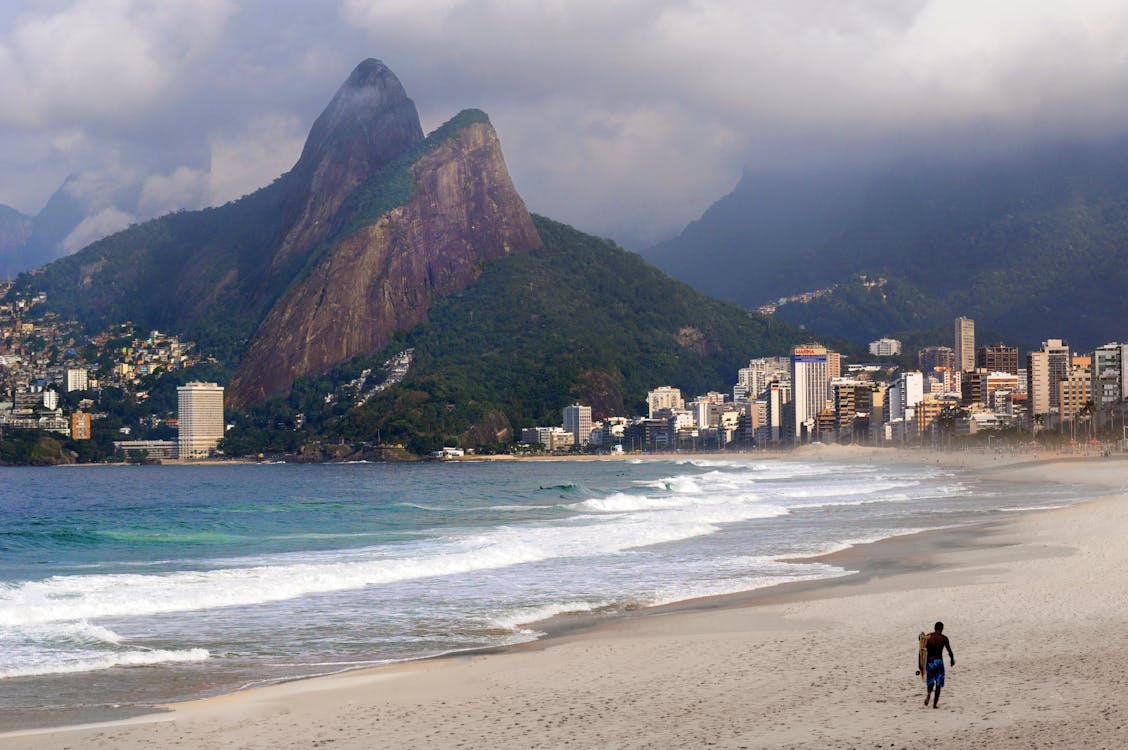
Ipanema hasn’t lost its magic. Take a walk through the neighborhood today, and that creative energy is still all around you. Morning coffee shops play gentle Bossa Nova. Evening venues feature live performances and the same beach that inspired the song is still there, still beautiful.
Copacabana holds just as much history. Beco das Garrafas, which means “Bottles Alley,” was where Bossa Nova really took off in the 1960s. This venue is still operating and they still host regular jazz and Bossa Nova nights. This neighborhood is a mix of classic apartments and beachfront properties. You’re always close to both the music scene and the ocean.
Santa Teresa offers something different. This hillside area has cobblestone streets and colonial buildings. Artists and musicians live here. They keep the creative spirit alive in smaller, more intimate venues. The atmosphere is bohemian and authentic.
5 Bossa Nova Venues You Should Visit
I want to recommend 5 places that will give you the complete Bossa Nova experience. Each one tells a different part of the story.
Beco das Garrafas
Sits on Rua Duvivier, 37 – Lojas J, K, L in Copacabana. This place earned its spot in music history as one of the original launching pads for Bossa Nova. Musicians like Sérgio Mendes got their start here in the early 1960s. The story goes that American record executives first discovered the commercial potential of Bossa Nova in this very venue. Today it keeps that authentic atmosphere while hosting regular performances.
Blue Note Rio
Brings an international class to Copacabana’s beachfront. It is located in Av. Atlântica, 1910 – Copacabana. This is the Rio branch of New York’s famous Blue Note club. They combine world-class acoustics with ocean views. Their programming features both established Brazilian artists and international jazz musicians. It’s a bridge between Rio’s local scene and the global music world.
Garota de Ipanema Bar
Sits at the exact spot where musical history was made. Located in R. Vinícius de Moraes, 49 – Ipanema. This is the former Veloso bar where Jobim and Vinicius de Moraes wrote their masterpiece in 1962. The atmosphere remains wonderfully unchanged. You can experience the same setting that inspired one of the world’s most beloved songs.
Restaurante Vinícius e Bossa Nova Bar
Located in R. Vinícius de Moraes, 39 – Ipanema, Rio de Janeiro. They offer live performances every night in an intimate setting. The venue has built a reputation for showcasing both seasoned musicians and emerging talent. Bossa Nova continues to evolve here while respecting its roots.
Carioca da Gema
The Lapa neighborhood has spent over two decades as a cornerstone of Rio’s live music scene. Located in Av. Mem de Sá, 79 – Lapa, Rio de Janeiro. They focus on Brazilian musical traditions. Bossa Nova shares the stage with samba and other local genres. The space is known for its authentic atmosphere and passionate audiences.
All these venues are still open and accessible, letting you experience the living tradition of Bossa Nova for yourself.

The Real Estate Reality
Living in these musical neighborhoods means more than just being close to great venues. It means buying into a lifestyle that thousands of people dream about. Rio’s real estate market reflects this desire. Properties in the most music-rich areas command prices that reflect their cultural value.
In Ipanema, you can walk to the bar that inspired the most famous Bossa Nova song ever written. Leblon, Ipanema, and Lagoa were the most expensive neighborhoods to buy and apartment in Rio De Janeiro, Brazil. According to recent market data, apartment prices currently average R$22,000 – R$24,200 per square meter (OABITAT, 2025; WhereInRio, 2025). That’s serious money. But you’re paying for more than space. You’re buying a piece of musical history. A two-bedroom apartment with ocean views might cost R$5,000 – R$7,000 monthly to rent.
Copacabana offers a more accessible entry point. Prices typically range R$15,000 to R$18,000 per square meter (OABITAT, 2025). The neighborhood’s musical history means you’re surrounded by venues where legends performed. Rental costs around R$4,000 – R$5,000 monthly for a quality two-bedroom apartment make it possible to live the dream rather than just visit it.
Santa Teresa provides the most budget-friendly option for those drawn to Rio’s artistic soul. While current square-meter data is limited, recent listings suggest around R$8,000 – R$12,000 per square meter. Monthly rentals range R$2,500 to R$4,500. You’ll be living among working artists and musicians in colonial houses and converted lofts with city views.
Why These Neighborhoods Work
Living in Rio’s Bossa Nova heartland goes beyond cultural appeal. These neighborhoods offer practical advantages that make them attractive to international buyers and locals seeking quality of life.
Areas with strong cultural identities tend to maintain their vibrancy better than purely residential districts. Living near venues like Beco das Garrafas or within walking distance of the Garota de Ipanema Bar puts you in neighborhoods that stay active and well-maintained. They attract consistent foot traffic and investment.
Property values in culturally significant areas show more stability over time. Real estate near legendary music venues carries built-in tourism appeal and rental potential. These aren’t just apartments or houses. They’re part of the story that draws visitors worldwide to experience authentic Rio culture.
The lifestyle benefits extend far beyond weekend entertainment. Living where Bossa Nova was born means your daily soundtrack includes the gentle rhythms that made Rio famous. Morning coffee comes with views that inspired classic songs and evening entertainment is just around the corner. You’re not only visiting Rio’s musical heritage but you become part of its ongoing story.
International buyers find these neighborhoods offer perfect cultural immersion while maintaining practical living standards. You’ll be surrounded by the music and atmosphere that drew you to Rio initially. At the same time, you’ll live in areas with established expat communities and services designed for international residents.
The concentration of venues like Blue Note Rio and Vinícius Bar creates an ecosystem where music thrives year-round. This consistent cultural activity supports local businesses, maintains property values, and ensures these neighborhoods remain dynamic places to call home.
Making the Move
The jump from vacation visitor to Rio resident might seem dramatic. But thousands of people have made exactly that transition. They’re drawn by the city’s unique combination of natural beauty, cultural richness, and that quality that makes Rio feel like home. The music is just the beginning. It’s the gateway to understanding why this city captures hearts so completely.
You might be drawn to the beachfront sophistication of Ipanema. Maybe the classic charm of Copacabana appeals to you. Or perhaps the artistic energy of Santa Teresa feels right.
Rio offers neighborhoods where the Bossa Nova spirit lives on in daily life. Property ownership here isn’t just about real estate investment. It’s about buying into a way of life that values beauty, music, and the simple pleasure of watching the world go by.
The rhythm of Rio gets into your blood. Once it does, you might find yourself doing exactly what Antonio Carlos Jobim and Vinicius de Moraes did back in 1962. Sitting in a bar, watching life unfold, and realizing you’ve found something worth staying for.
In Rio, that realization comes with a soundtrack that’s been enchanting the world for more than sixty years. And it’s still playing today.
Contact us today for a personalized consultation and discover where your rhythm lives.

Hans-Philipp Hauser | Founder of CASER BR
Sua conexão imobiliária brasileira 🇺🇸🇩🇪🇫🇷🇧🇷